
The Concept of Travel is Often Reduced to the Physical Act of Moving From One Coordinate to Another
The concept of travel is often reduced to the physical act of moving from one coordinate to another, but for many, it is a profound exercise in identity, reclamation, and storytelling. When we pack a suitcase, we are not just selecting utilitarian items for weather protection; we are curating a mobile sanctuary of our values and history. Travel, especially through the lens of the African Diaspora, is an opportunity to wear one’s heritage as a passport, bridging the gap between the familiar and the foreign.
The Sartorial Passport: Carrying Culture
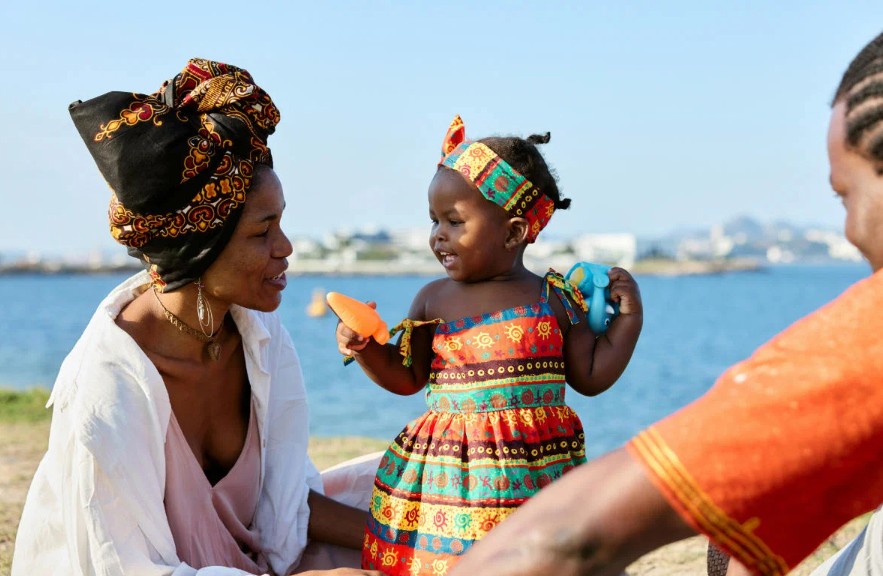
Every journey begins with the ritual of preparation. In the modern era, travel has become a high-performance stage for cultural expression. To wear an African shirt while navigating an international terminal is to make a definitive statement of belonging before a single word is spoken. These garments, often vibrant with Ankara prints or Kente patterns, serve as a visual bridge between continents. An African shirt isn’t just a piece of apparel; it is a tapestry of geometric symbols—each line and color representing a proverb, a tribe, or a historical milestone.
Complementing this look, the African hat—whether it be a Kufi, a Fila, or a structural headwrap—acts as a crown. In many cultures across the continent, the head is considered the seat of the soul and the focal point of one’s essence. By sporting an African hat while traveling, an individual carries their ancestral lineage into new spaces, demanding a level of respect and recognition that transcends language barriers. These items transform the traveler from a mere tourist into an ambassador of a global legacy.
Caribbean Connections and Revolutionary Threads
As the journey moves toward the Caribbean, the wardrobe shifts to reflect a different facet of the Diaspora. Incorporating Haitian clothing into one’s travel repertoire is a nod to the first independent Black republic in the world. Haitian style often blends the practical elegance of the Karabela—a traditional denim or linen fabric—with intricate embroidery that reflects the island’s resilient spirit.
To wear Haitian clothing in a foreign land is to carry the energy of the 1804 revolution. It is a reminder that travel for the Black traveler has historically been a tool for liberation and the exchange of radical ideas. Whether it is the light, breathable fabrics suited for tropical climates or the bold red and blue motifs of the flag, these clothes serve as a reminder of a history that refused to be silenced.
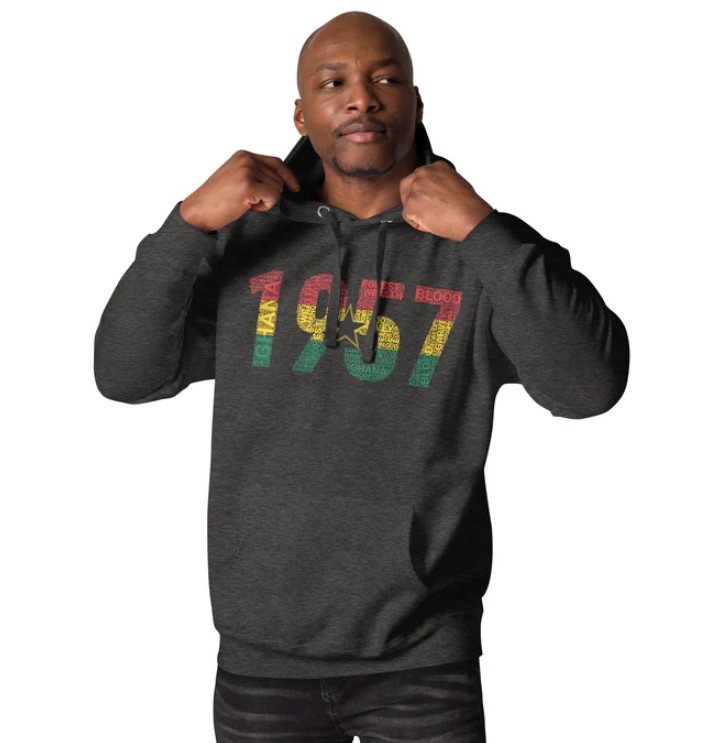
In a similar vein, Black History shirts have become a staple of the conscious traveler’s wardrobe. These shirts do more than just provide comfort during long flights or train rides; they serve as mobile classrooms. A shirt featuring the likeness of Mansa Musa, Queen Nzinga, or modern civil rights icons sparks conversations in cafes from Paris to Tokyo. They turn the wearer into a walking archive, ensuring that the stories of Black excellence and struggle are visible in every corner of the globe. Traveling in Black History shirts Ensures that wherever you go, the ancestors go with you, grounded in a narrative that is both educational and empowering.
The Comfort of the Journey: Seeking Warmth
Despite the bold outward expressions of culture, the physical reality of travel can be grueling. The transition between climates, the recycled air of an airplane cabin, or the quiet stillness of a lonely hotel room requires a different kind of support. This is where the sherpa blanket becomes an essential companion.
While the shirts and hats speak to the world, the sherpa blanket speaks to the soul. Its dual-layered design—typically a smooth knit on one side and a thick, wool-like polyester on the other—provides a sense of security and “home” that is often lost in transit. Wrapping oneself in a sherpa blanket during a red-eye flight is an act of radical self-care. It provides a tactile warmth that mirrors the emotional warmth of the cultures represented in the traveler’s attire.
The Versatility of the Modern Traveler
The modern traveler’s kit is a balance of the bold and the cozy. Consider the following table which highlights how these items function across different travel stages:
| Travel Item | Primary Function | Cultural Significance |
| African Shirt | Visual Expression | Proclamation of lineage and tribal history. |
| African Hat | Dignity & Presence | Symbol of leadership and spiritual grounding. |
| Haitian Clothing | Breathable Style | Tribute to the spirit of independence and revolution. |
| Black History Shirts | Education & Advocacy | Highlighting suppressed narratives and icons. |
| Sherpa Blanket | Personal Comfort | Creating a “portable home” and emotional refuge. |
The Intersection of Style and Substance
Travel is ultimately a search for connection. When we wear an African shirt or Haitian clothing, we are signaling to others who we are and what we value. This often leads to “The Nod”—that silent, cross-cultural acknowledgment between people of the Diaspora who recognize the symbols of their shared struggle and triumph.
However, the internal journey is just as important as the external one. The Black History shirts we choose to pack reflect our personal inspirations, while the African hat we wear might be a gift from a family member, linking us to our roots even as we branch out into the world. The sherpa blanket we tuck into our carry-on represents the necessity of rest and the preservation of energy so that we can fully engage with the world when we arrive.
Why Clothing Matters in Travel
- Identity Reinforcement: In unfamiliar environments, cultural clothing acts as an anchor, preventing the traveler from feeling “lost” in a sea of generic tourism.
- Community Building: Distinctive items like an African shirt act as a beacon, drawing in like-minded individuals and fostering spontaneous community.
- Educational Outreach: Clothing with historical significance invites questions, allowing travelers to share their heritage with curious locals.
- Physical Well-being: High-quality items, from breathable linen to a plush sherpa blanket, ensure the body is cared for during the rigors of movement.
Conclusion: The Journey Continues
To travel is to evolve, but that evolution does not require leaving one’s self behind. By intentionally choosing a wardrobe that includes an African shirt, an African hat, Haitian clothing, and Black History shirts, the traveler ensures that their cultural identity remains front and center. By balancing that outward expression with the inward comfort of a sherpa blanket, they prepare themselves for the long road ahead.
In the end, we don’t just travel to see new sights; we travel to see ourselves in new contexts. When we bring our history, our pride, and our comfort with us, every destination becomes a place where we can truly belong.


:max_bytes(150000):strip_icc()/tl-travel-writer-group-chat-roundup-tout-beb515f2683248a8b0439d4e050ca58e.jpg)
